It is easier to suggest a specific evening than to ask everyone to invent a plan from scratch. Pick something to do together, name a manageable start and finish, and say what is involved. The suggestions below are plans to adapt, not accounts of evenings hosted or tested by Rather Good Days.
Pick an evening you can enjoy
- Choose a shared activity that suits the people coming.
- Use familiar equipment and agree any shared costs.
- Make the invitation clear about the activity and finish.
Match the activity to the company
| If you want… | Try… | Check first… |
|---|---|---|
| A quiet evening for two | A simple two-player game with rules you can read beforehand. | That both people enjoy that kind of game; table space and readable pieces. |
| A small creative session | Draw the same ordinary object, then compare what you noticed. | Paper/pencils already available and a surface you can clear. |
| Something outside the house | A short familiar route with an agreed finish. | Weather, daylight, surfaces, toilets and how everyone gets home. |
| Food with a purpose | Prepare one familiar dish together. | Dietary requirements, safe food handling and who does which task. |
| Very little preparation | Bring one interesting object, photograph or piece of music to discuss. | Permission to share personal material and a way for everyone to opt out. |
A game without a new shopping basket
For two people, English Heritage’s board-games resource includes Merrills, using two sets of nine counters and a board you can draw or download from the provider. Read its rules there before proposing it. A historical resource is not a guarantee that the game will suit every pair; choose an owned game instead if that feels more inviting. No provider board artwork or rulebook is reproduced here.
With more people, check the actual player count and the learning demands of the game you already have. Do not split everyone into spectators by choosing a two-player game for a whole table. A short explanation at the start helps; an evening need not become a tournament or continue past the agreed finish.
A drawing session with a small stopping point
Put an ordinary object where both people can see it and give each person paper and a pencil. The task can be simply to notice its outline, then show each other what you found difficult or interesting. Avoid turning the exercise into a score or a contest over who is “good at art”.
If you want an attributed starting resource, the Natural History Museum’s nature-journal guide explicitly allows an existing notebook or digital record instead of making a new book. You can compare observations from a window or another safe familiar place. Do not disturb wildlife to create material, and do not share a private home location just to make the record more elaborate.
Food: choose the routine you can handle
A familiar meal and a clear division of jobs are more useful than an ambitious menu with nowhere to prepare it. Agree dietary needs in advance and keep raw and ready-to-eat food separate. If food will be kept, follow the FSA’s chilling and freezing guidance and any stricter food-specific instructions. A small kitchen still needs safe working space; use the task-first kitchen-kit guide rather than buying an entertaining set for the occasion.
Make the invitation easy to answer
An example invitation could be: “Would you like to come round on Thursday, 7–8.30, to try one short game? I’ll make tea; no need to bring anything. We can choose another evening if that does not work.” The date, duration and activity are illustrative, not an event announcement. Change them to something you can actually offer.
Offer appealing drinks without requiring anyone to explain their choices. Check whether your plan quietly depends on a bar booking, a paid ticket or a late journey even when you call it low-key. There is no single evening format that guarantees conversation or friendship.
Keep the useful part
After a real evening, note what you would repeat: the activity, group size, timing or amount of preparation. That is a better basis for the next invitation than buying extra equipment in advance. For company beyond your existing circle, use the first-visit booking checklist.
Sources and image credits
Sources and scope
Researched 21 October 2026. English Heritage: board games to try at home; Natural History Museum: make and use a nature journal; Food Standards Agency: chilling and freezing. Planning examples are editorial suggestions, not records of a Rather Good Days test or event.
About the image
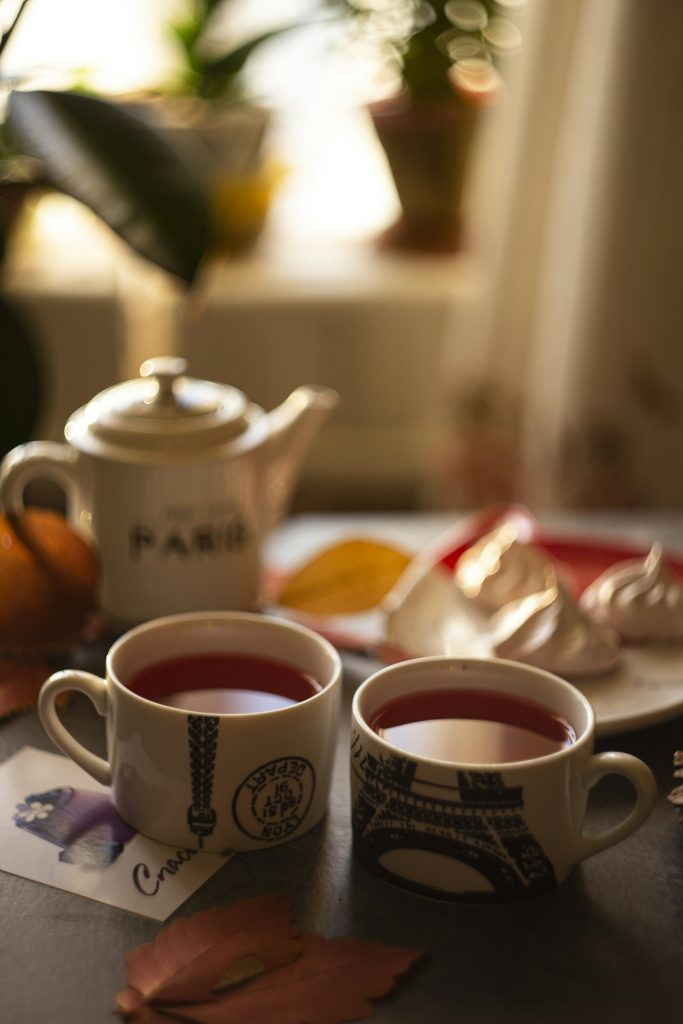
Illustrative photo: Yana Gorbunova / Unsplash (licence). Contextual stock photograph; no RGD product test, visit or event is implied.
Research note. Editorial evening plans with attributed resources; no hosted-event or social-outcome claim. How we make recommendations. Details checked 2026-10-21.