An item can fit the space you marked out and still be the wrong buy. The parcel might not get around the stair turn. A drawer might open into a chair. A folding item might have nowhere to go when folded. Before ordering, check four different footprints and keep the measurements beside the exact product reference.
Four footprints to keep beside you
- Check the package and its whole delivery route.
- Measure the assembled item and the space it needs in use.
- Give portable parts and accessories a storage place.
1. The package arriving
Use the retailer’s package dimensions, not just the assembled dimensions. Count the boxes and check their weights. Trace the real route from the delivery point through the narrowest openings, bends, stairs and lift, including the final turn into the room. Measure clear openings rather than the outer door frame. Note handles, radiators and other obstructions.
IKEA’s UK delivery guidance specifically tells buyers to check packages against doorways, halls, stairs and lifts, and points to the product’s Package details. Its delivery restrictions also say the team will not remove doors, windows or doorframes. These are IKEA’s terms, not a promise from every retailer. Check the service you are actually booking, including where the driver will leave the goods.
A narrow bend is a three-dimensional problem. Matching one box edge to a door’s width does not prove it can turn through the route. If the path is tight or the item heavy, send the supplier the relevant measurements and ask for its delivery requirements. Do not plan an unsafe lift or assume a parcel can be unpacked outside to solve the problem.
2. The assembled item
Mark the proposed footprint with paper or a removable marker suitable for your floor. Include handles, feet, overhangs and anything projecting from the back. Check the manufacturer’s fixing and stability instructions: a tall unit described as freestanding can still require wall anchoring. If you cannot meet a required fixing condition, the footprint is not the only issue.
3. The item doing its job
| Item | Measure beyond the closed size | Question to answer |
|---|---|---|
| Drawer unit | Full drawer extension and access in front. | Can you open it and reach the contents without moving the chair every time? |
| Desk or table | Chair pulled back and normal routes past it. | Can someone leave their seat without blocking the door? |
| Appliance | Exact ventilation, lid/drawer movement and safe serving space. | Can it operate here according to its manual? |
| Storage box | Access to lift out or open the box. | Can the contents be reached without emptying the shelf above? |
For a hypothetical example, a 40cm-deep unit and a drawer that extends another 30cm occupy 70cm from the wall before you allow space for the person using it. Those numbers illustrate the method; they are not a suitable clearance recommendation or a measurement of a product. Use the exact unit and your actual access needs.
4. The item between uses
For something portable or folding, record its stored size separately. Decide where the cable, accessories and packaging needed for a return will go. An item that lives across the room’s only clear route is not solving a small-space problem. Keep exits and essential access clear throughout.
Measure before ordering
One item. Four footprints. Check the whole route before the checkout.
A door width alone does not prove a box can turn through the route. Ask the supplier about a tight route or heavy item; do not plan an unsafe lift. Meet the actual fixing, stability and appliance-clearance instructions. Keep exits clear.
Illustration only: a 40 cm deep unit with a drawer extending 30 cm reaches 70 cm from the wall, before space for its user. This is not a safe-clearance recommendation.
Download the printable one-page card (PDF)
Use the fields while this page is open; entries are not sent or saved. Use the PDF to keep a copy.
Do this before the checkout, not while a driver waits. If two products solve the same task, compare the awkwardest part of their use rather than selecting the smallest headline dimension. For wall and door conditions, continue with no-drill storage; for an appliance, use the air-fryer working-space checklist.
Sources and image credits
Sources and scope
Researched 21 October 2026. IKEA UK: delivery service; IKEA UK: delivery restrictions. Planning examples are editorial suggestions, not records of a Rather Good Days test or event.
About the image
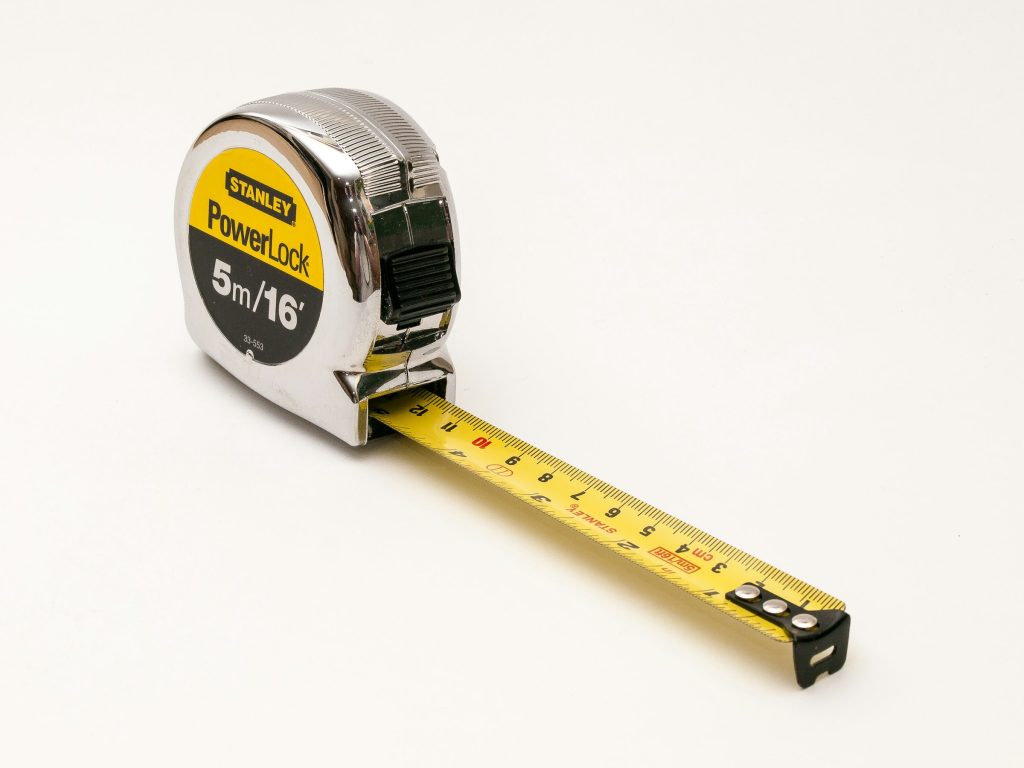
Illustrative photo: William Warby / Unsplash (licence). Contextual stock photograph; no RGD product test, visit or event is implied.
Research note. A delivery and working-space checklist, with hypothetical measurements rather than a fit guarantee. How we make recommendations. Details checked 2026-10-21.